A Guide to Common Skin Conditions
There are several skin conditions that are relatively common in the general population. Some of these are inherited genetic disorders; others are contracted through physical contact. Both can be affected by lifestyle and diet. All can be treated and sometimes cured through appropriate medical treatment.

DermScreen
There are several skin conditions that are relatively common in the general population. Some of these are inherited genetic disorders; others are contracted through physical contact. Both can be affected by lifestyle and diet. All can be treated and sometimes cured through appropriate medical treatment.
Dermscreen Skin Check Sydney CBD
Dermscreen was founded in 2022 by a group of dermatologists who recognised the need for accessible, affordable skin care in Australia. The first goal was to improve melanoma survival rates through early detection of skin cancer.
Services soon expanded to include treatments for a range of skin conditions. We presently have Skin Check clinics at Mosman, Bondi Junction and the Sydney CBD.
1. Understanding Eczema: Causes, Symptoms, and Treatment Options
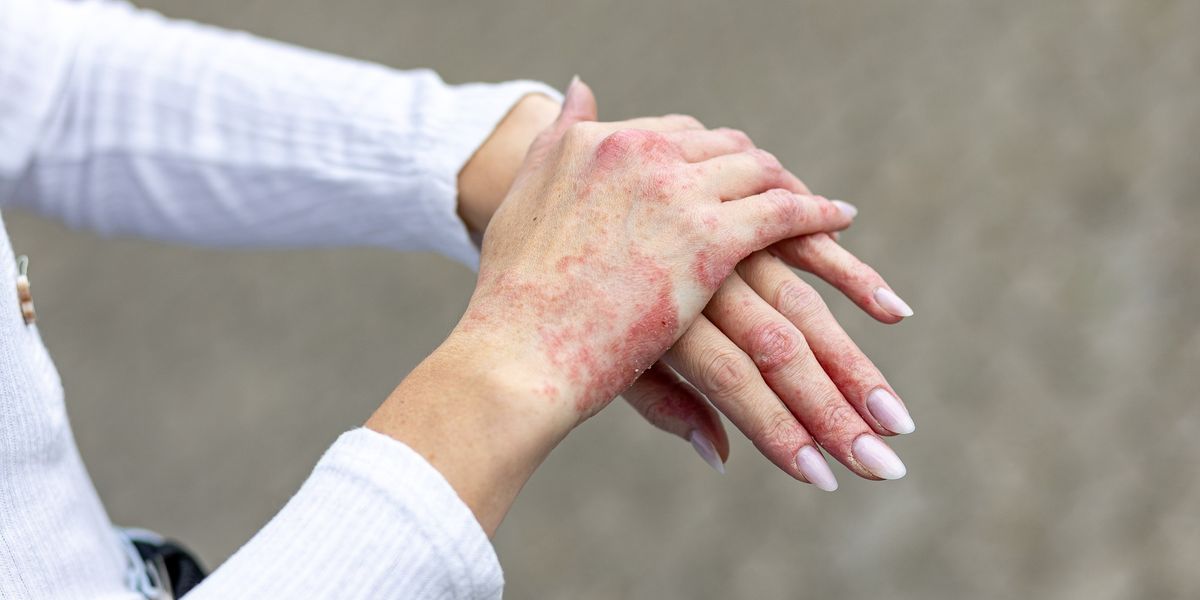
Eczema (atopic dermatitis) is a non-contagious condition that causes dry, red, and intensely itchy skin. The condition is connected to a weak skin barrier, which allows moisture to escape, leaving the skin prone to absorbing irritants. The condition is inherited rather than acquired, and seems more common in families with a history of asthma, hay fever and other allergies.
Adult eczema patients may experience itching, redness, flaky or scaly patches, cracking, and occasionally oozing skin on the elbows, knees, neck, and hands.These symptoms may be triggered by harsh soaps, temperature changes, stress, dust, pollen, and (in some individuals) reactions to some foods. There is no known cure for eczema, but the condition can be managed with diligent moisturising, use of gentle cleansers and the avoidance of various triggers that affect individual cases. Topical corticosteroids can be used during any flare-ups. Light therapy or immune-modulating medications can help some cases.
2. Psoriasis Explained: What You Need to Know
Psoriasis is a chronic autoimmune condition that leads to thick, scaly patches on the elbows, knees, scalp and lower back. It can also affect the fingernails and toenails, causing pitting and discolouration. Psoriasis is caused by skin cells growing at an abnormally fast rate. It is not contagious.
Psoriasis can be triggered by stress, infections, cold weather, skin injuries, smoking, alcohol use, and certain medications. This will vary to some extent between individuals. While there is no known cure, there are treatments that reduce inflammation and slow the skin cell growth. These treatments include moisturisers, topical corticosteroids, coal tar products, light therapy, and systemic medications for moderate to severe disease.
3. Rosacea: How to Manage Redness and Flare-Ups
Rosacea is a chronic facial skin condition, which tends to be more common in fair-skinned people aged 30 to 50. There are several variations, but common symptoms include persistent redness (flushing), visible blood vessels, acne-like bumps, thickened skin, a stinging sensation, and eye irritation. It is not contagious.
There are triggers for rosacea that vary between individuals. These may include sun exposure, alcohol. Spicy foods, extreme temperatures, hot beverages and exercise. By finding and avoiding these triggers, the symptoms of rosacea can be significantly reduced. Further treatments include gentle skincare, prescription medications (topical or oral), and laser therapy.
4. Acne in Adults: Why It Happens and How to Treat It
Many of us experience at least some acne during our teen years. But the condition can sometimes persist into adulthood. Occasionally, it only appears in the adult years. This is known as late-onset acne, which develops when hair follicles become blocked with oil and dead skin cells, leading to blackheads, whiteheads, pimples, and sometimes cysts.
Acne in adults can persist for years and often changes over time, with hormones, inflammation, bacteria, and excess oil production affecting the condition. Additionally, bacterial growth may also set in. As treatments for acne are often long-term they may be adjusted over time as the condition changes.
The treatments may include topical creams, oral medications, as well as diet and
lifestyle changes. Severe or untreated acne can lead to permanent scarring, especially in adult patients.
5. Pigmentation Problems: What Causes Dark Spots and How to Fade Them
Pigmentation issues (melasma or chloasma) refer to uneven colour in the skin, where the pigment under the skin is uneven. This means the skin is darker in some areas, and lighter in others. The uneven tone is most often seen on the forehead, cheeks, and upper lip.
Sun exposure can make a significant difference to uneven pigmentation. So, avoiding sunlight can noticeably reduce the uneven skin colour. Hormonal changes, pregnancy, and the contraceptive pill can also worsen the pigmentation issue. Treatment focuses on strict sun protection and the use of fading creams or chemical peels. Results take time, and pigmentation may return if sun exposure is not controlled. Some supplements (vitamin D) are often needed for those with reduced sun exposure.
6. Seborrheic Dermatitis vs. Dandruff: What’s the Difference?
Dandruff is the milder form of seborrheic dermatitis. Both conditions are linked to an overgrowth of a naturally occurring yeast called Malassezia and excess oil production. Seborrheic dermatitis causes red, greasy, yellowish scales and commonly affects oily areas such as the scalp, eyebrows, sides of the nose, ears, eyelids, and chest.
Seborrheic Dermatitis can be treated with antifungal shampoos, which contain ingredients like ketoconazole, selenium sulphide, or zinc pyrithione. In more severe cases, topical antifungal or steroid creams may be prescribed.
7. Sensitive Skin: How to Care for It Without Irritation
Sensitive skin is not a medical condition. Rather, it is just one of the many variations seen in different individuals. Some of us will find that our skin will react to some commercial cosmetics, soaps, the weather, certain fabrics, or environmental changes. Those of us with eczema, rosacea, or seborrheic dermatitis are far more likely to have sensitive skin.
Care for sensitive skin involves using fragrance-free, gentle cleansers, avoiding harsh exfoliants, diligent moisturising, and patch-testing new products. Sun protection is also important, as UV exposure can worsen sensitivity.
8. The Link Between Diet and Skin Conditions
Diet does not directly cause most skin conditions, but it may influence inflammation and flare-ups. Spicy foods, alcohol, and hot drinks may worsen rosacea. High-glycaemic foods may aggravate acne in some individuals. Some individuals find their skin condition improves if they avoid dairy.
A balanced diet with adequate hydration, fruits, vegetables, and healthy fats supports overall skin health. And of course, this type of diet tends to be better for overall health. Keeping a symptom diary can help identify personal triggers, which can then be avoided in the future.
So, Should We Talk To The Dermatologist at Skin Health Check?
Are we worried by a skin condition? Many skin conditions look quite similar, but will require different treatments. At Skin Health Check, our dermatologists can provide an accurate diagnosis and a personalised management plan. In some cases, this can be a cure for the underlying condition. But more often, our treatment provides relief from the symptoms of a skin condition that could otherwise compromise your quality of life.