
A Guide to Sunscreen
Australia has one of the highest rates of skin cancer in the world. Most skin cancers are related to ultraviolet (UV) exposure, making sun protection an important part of keeping our skin healthy. Sunscreen is one of the most effective ways to reduce UV exposure. It works best when combined with other protective measures, such as wide-brimmed hats, sunglasses, appropriate clothing and use of shade where possible. We asked Dermatologist Dr Philip Tong about the best ways to protect our skin in the Australian climate.

DermScreen
Using Sunscreen to Protect Your Skin from UV Damage
Australia has one of the highest rates of skin cancer in the world. Most skin cancers are related to ultraviolet (UV) exposure, making sun protection an important part of keeping our skin healthy. Sunscreen is one of the most effective ways to reduce UV exposure. It works best when combined with other protective measures, such as wide-brimmed hats, sunglasses, appropriate clothing and use of shade where possible. We asked Dermatologist Dr Philip Tong about the best ways to protect our skin in the Australian climate.
Dermscreen Skin Check Sydney CBD
Dermscreen was co-founded by dermatologist Dr Philip Tong. With his colleagues, he set out to use modern screening methods for combating Australia’s widespread problem with skin cancer. By using digital screening and total body photography with a dermatological review, they aimed to detect skin cancers at the earliest stage, and provide immediate treatment. Dermscreen services are available at our Sydney CBD, Mosman and Bondi Junction clinics.
Dr Tong shared his expertise with Cancer Council NSW for their Your No-Nonsense Guide to Sunscreen, much of the guidance below reflects the advice he gave in that article.
How UV Radiation Damages Skin
The sun produces several types of ultraviolet radiation (UV), but the two main forms that affect the skin are UVA and UVB.
UVB (280 to 315 nm) primarily affects the outer layers of the skin. It is the main cause of sunburn and can damage the DNA within skin cells. Over time, repeated DNA damage increases the risk of developing skin cancer.
UVA (315 to 400 nm) penetrates more deeply into the skin. It contributes to premature skin ageing by breaking down collagen and elastin, leading to wrinkles and loss of skin elasticity. UVA also plays a role in skin cancer development.
UV exposure causes the skin to produce more melanin, the pigment responsible for tanning. Although many people view a tan as healthy, it is actually the first sign that the skin is suffering UV damage.
What are the Different Types of Sunscreen?
Dr Tong divides modern sunscreens into two main categories. These use different methods to reduce UV radiation exposure to the skin.
Chemical (absorbing) Sunscreens.
These contain ingredients that absorb UV radiation and convert it into a small amount of heat before it can damage the skin. These products are often lightweight and easy to apply, making them popular for everyday use.
Mineral (Physical or Scattering).
Mineral sunscreens contain ingredients such as zinc oxide or titanium dioxide. They protect the skin by reflecting, scattering and partially absorbing UV radiation. People with sensitive skin often prefer these mineral sunscreens. They may leave a slight white residue after application, but tinted varieties can be matched reasonably well to the natural skin colour.
Tinted and Coloured Sunscreens
These contain pigments such as iron oxides. In addition to protecting against UVA and UVB, they can also reduce exposure to visible light, which may help people who experience pigment-related skin conditions such as melasma. Tinted sunscreen is subtle, designed to blend in with the skin. Coloured varieties are bold pink, blue, green or yellow. These colours often appeal to young children.
Some modern sunscreens combine both chemical and mineral ingredients to improve protection and cosmetic appearance. All sunscreens sold in Australia must be registered with the Therapeutic Goods Administration (TGA), which requires them to meet Australian regulatory requirements for safety, quality and efficacy.
Homemade and DIY Sunscreens
While there are recipes for homemade sunscreens, the results are untested and unpredictable. Because of the lack of quality control, dermatologists advise against their use. And given the cost of ingredients, they do not save money. It is most cost-effective to buy a commercial sunscreen.
Sunscreen should be applied generously around 20 minutes before going outdoors and reapplied every two hours, or more frequently after swimming, heavy sweating or towel drying.
Understanding SPF Ratings
SPF stands for Sun Protection Factor. It is a general guide to how effectively a sunscreen will protect against UVB radiation. A higher SPF rating means a greater proportion of UVB radiation is filtered before it reaches the skin. However, this assumes the sunscreen is applied correctly and generously, and does not take into account the changing UV level during the day, or the sunscreen wearing off over time.
Another way of measuring the SPF is by how much it reduces UV light.
SPF 20 filters approximately 95% of UVB rays.
SPF 30 filters approximately 97% of UVB rays.
SPF 50 filters approximately 98% of UVB rays.
SPF is a rough guide rather than an exact measure. Nonetheless, a higher SPF rating will be better. Australian health authorities generally recommend using broad-spectrum SPF 50 or SPF 50+ sunscreen. "Broad-spectrum" means the sunscreen protects against both UVA and UVB radiation.
Do We Only Need Sunscreen in Summer?
Dr Philip Tong advises using sunscreen whenever the UV level is above 3. It is a mistake to associate sun protection with hot weather, because temperature and UV radiation are not the same thing. In Australia, the UV levels are often quite high, even on cool or cloudy days. So sunscreen should be applied in autumn, winter and spring, as well as the heat of summer.
Health authorities recommend checking the daily UV Index online rather than relying on the temperature reading. Whenever the UV Index is 3 or above, we recommend sun protection.
Sun Protection in Snowy Conditions
Snow reflects a large proportion of UV radiation, increasing total UV exposure. Higher altitudes also have stronger UV levels because there is less atmosphere to absorb the sun's rays. So, there is a fairly high risk of getting sunburn in snowy conditions. People skiing or visiting alpine regions should continue using SPF 50+ broad-spectrum sunscreen, together with sunglasses or goggles that meet Australian standards, helmets or hats, and protective clothing.
Clothing, Hats and Sunglasses
Sunscreen is vital, but we should not consider it the only form of sun protection. Clothing will provide a physical barrier against UV radiation. Specially designed garments with a UPF (Ultraviolet Protection Factor) rating offer consistent protection, with UPF 50 garments blocking more than 98% of UV rays. Most everyday clothing can provide useful protection if it is tightly woven, loose fitting and covers as much skin as possible.
Broad-brimmed hats help protect the face, ears and neck, while sunglasses that meet Australian standards help protect the eyes and surrounding skin from UV damage.
Seeking shade, particularly during periods of high UV exposure, is also recommended.
Does Makeup with SPF Provide Enough Protection?
Dr Tong points out that while some moisturisers and cosmetics have an SPF rating, they cannot be relied upon as the primary form of sun protection. The SPF rating is often quite low, and these cosmetic products are usually applied too thinly for adequate sun protection. It is better to apply a broad-spectrum sunscreen before and underneath any makeup or cosmetics.
Do Infants Need Different Protection?
Infants and young children have particularly sensitive skin. Those under six months should be protected primarily through shade, clothing and hats. Sunscreen may not be appropriate for their sensitive skin.
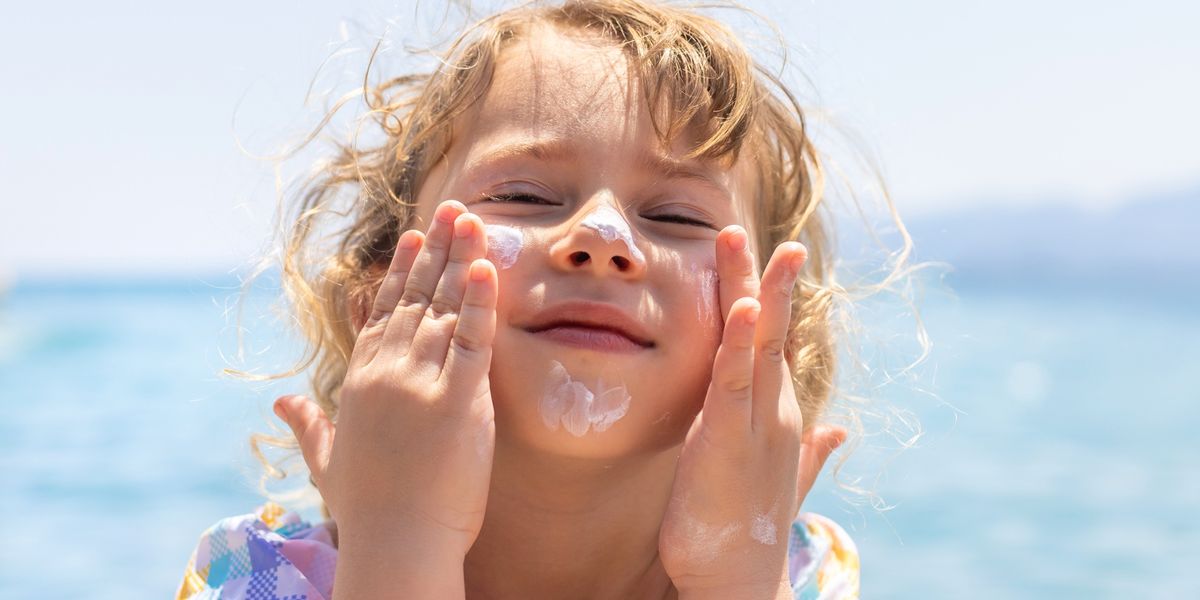
For older infants and children, sunscreen may be applied to exposed skin that cannot be covered by clothing. Parents should choose broad-spectrum SPF 50 or higher sunscreen and test a small area first if using a new product.
Does Skin Colour Make a Difference?
Darker skin has more melanin, which does provide a small amount of protection against UV radiation. This means people with darker skin generally burn less easilyand more slowly than those with fair skin. But people with darker skin can still experience UV damage and skin cancer, so appropriate sun protection, including sunscreen, remains important.
Are Artificial Tanning Devices Safe?
Artificial tanning devices, including solariums and UV tanning beds, expose the skin to concentrated ultraviolet radiation. This is very similar to the effect of sun exposure. Research has shown that these solariums and tanning beds do increase the risk of melanoma and other skin cancers. These devices have now been banned for commercial use in Australia, although personal devices are not illegal to own. It is possible to achieve the appearance of tanned skin with spray tans and other cosmetic products. Of course, we should continue using sunscreen when outdoors.
Does Sunscreen Affect the Vitamin D in my Body?
It has been understood for many generations that exposure to sunlight helps the body produce vitamin D, which is essential for good health. Avoiding sun exposure and wearing sunscreen outdoors can reduce the vitamin D production in the body, but this is rarely an issue. We only need a small amount of sun exposure to get sufficient vitamin D. A few minutes of sun exposure is often enough, though this depends on factors such as skin type, season, location, and individual circumstances. Vitamin D can also be obtained from our diet or with supplements.
How much Sunscreen should I use?
Research by Dr Tong and his associates shows that most people do not apply sunscreen correctly. Often, they use too little, and apply it unevenly. Dermatologists recommend 5 mls (a teaspoon) on the face and neck, and a similar amount on each exposed arm and leg, back and chest. That would be 35 mls total (7 teaspoons) if we were in swimwear. It is best to apply the sunscreen 20 minutes before heading outdoors. And then reapply every 2 hours, or more frequently if you are sweating or getting wet.
Protecting Your Skin Every Day
Effective sun protection is especially important in Australia. Australian health authorities generally recommend using broad-spectrum SPF 50 or SPF 50+ sunscreen on exposed skin, together with protective clothing, a broad-brimmed hat, sunglasses that meet Australian standards, and seeking shade when UV levels are high. Make these a daily habit, to prevent sunburn in the short term, and reduce the risk of premature ageing and skin cancer in the long term.