
Education, Vocation and Skin Care for the Australian Outdoors.
Protecting the skin from the sun is a health priority, particularly in Australia where ultraviolet (UV) radiation levels are high. This UV damage is cumulative – the exposure builds over time, increasing the risk of skin cancer, and eye damage, and causing at least some premature aging. Education about sun exposure and the danger of UV needs to begin early and continue through adolescence and into working life.

DermScreen
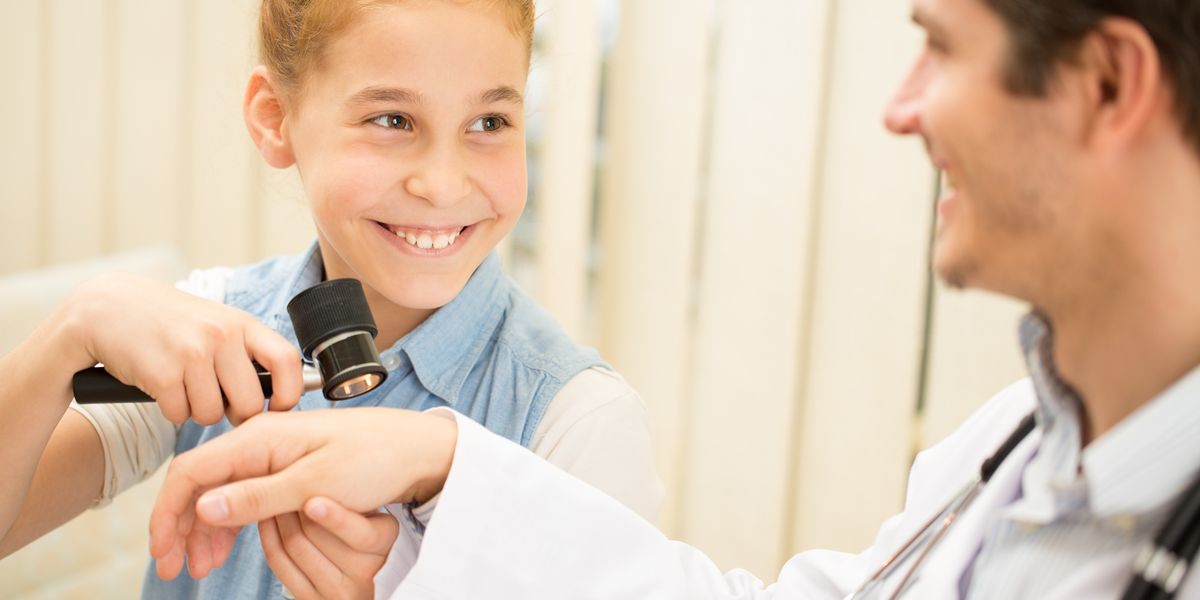
Sun Protection: Why It Matters and How to Educate People on Sun Protection.
Protecting the skin from the sun is a health priority, particularly in Australia where ultraviolet (UV) radiation levels are high. This UV damage is cumulative – the exposure builds over time, increasing the risk of skin cancer, and eye damage, and causing at least some premature aging. Education about sun exposure and the danger of UV needs to begin early and continue through adolescence and into working life.
DermScreen Skin Check Sydney CBD
DermScreen was established in 2022 by a group of Australian dermatologists. We recognised the already common problems with skin cancer in this country, and decided that screening and early protection was the best ways to improve melanoma survival rates. We do this through humanised technology, providing affordable, accessible, convenient skin screening in our three Sydney clinics. Visit us at one of our Sydney CBD clinics.
Why is Sun Protection Important from a Young Age?
Children’s skin is just as susceptible to UV damage. Research indicates that even one bad sunburn experience in childhood childhood can significantly increase the risk of melanoma in adult life. And it is believed that a large proportion of lifetime UV exposure occurs whilst we are still quite young, under the age of twenty.
Sunburn occurs when UV radiation overwhelms the skin’s natural protection, known as melanin. While darker skin has more melanin, and therefore slightly better protection, all skin types can be damaged by UV exposure. A tan is not protective - it is a visible sign of skin injury. Because most sun exposure happens daily outdoor activities, consistent protection is essential, not just during holidays or at the beach.
How Should Children be Taught about Sun Protection?
Education needs to be age appropriate. For young children, a simple explanation works best. Describe sunscreen as “protection” against the sun’s harmful rays. They should be able to understand this. By making sun safety part of the daily routine, applying sunscreen every day before school, we can help build good long-term habits. DermScreen regularly holds workshops for school children to better educate them on the dangers of sun exposure.
Practical strategies include:
- Apply broad-spectrum SPF 30 or higher sunscreen regularly. Always apply this to the face, and any skin exposed to the sun.
- Encourage protective clothing such as long sleeves and hats
- Promoting the use of sunglasses with 100% UV protection
- Keeping children in the shade around midday as this is a peak UV hour.
Schools also play an important role. Policies such as “no hat, no play,” shaded outdoor areas, and scheduled indoor activities during peak sun hours reinforce these habits.
How should Teenagers be educated differently?
Teenagers require a different approach. Messages that only focus on long-term cancer risk seem ineffective- we don’t take that type of thing seriously when we are young. Instead, education should highlight immediate and visible effects such as skin damage, the pain of sunburn, but also mention long term issues, such as premature ageing, wrinkles, sunspots, and the serious cancer risk. Our school workshops focus on educating teenagers about the dangers of tanning and how not all information on social media is accurate.
Key strategies include:
- Framing sun protection as part of a daily skincare routine
- Promoting SPF 50+ sunscreen as a standard habit
- Addressing myths, particularly the idea that tanning is healthy
- Encouraging the use of apps or weather tools to check the UV index
The “Slip, Slop, Slap, Seek, Slide” approach remains effective:
- Slip on protective clothing
- Slop on sunscreen
- Slap on a hat
- Seek shade
- Slide on sunglasses
Advice For Encouraging Sun Protection:
- Teens and kids often like sunglasses, probably because sunglasses have some fashion appeal. Let them choose a pair that they like, as they are more likely to wear a pair which they find appealing. But check that these sunglasses are appropriately 100% UV safe.
- The same advice applies to hats. If kids and teenagers have a hat that they like they are far more likely to wear it. Broad brim hats provide the most protection.
- Supply sunscreen in small, individual personal bottles. Children can keep their own supply in schoolbags, sports-bags, or just in their pockets. Ownership of their own supply often encourages use. Let them know there will be a replacement bottle as soon as the previous bottle runs low.
- Supply some lightweight but sun safe clothing. It should keep them cool, but still shade them from UV sunlight.
What Professions Require Strong Sun Protection?
Some professions involve significant UV exposure. This includes almost any outdoor work. These include:
- Construction and Trade Workers, including some carpentry, electrical, plumbing work.
- Most Agricultural and Farm Work
- Landscaping and Gardening professionals
- Most Road Workers and Traffic control
- Some Mining and quarry workers
- Fishermen and Marine workers
- Outdoor Sports Coaches and Lifeguards
These workers may be exposed to several times more UV radiation than indoor workers. Reflection from surfaces such as water, sand, concrete, and metal can further increase exposure.
A few professions have UV exposure that is less obvious, but sun protection is still required. These include:
- Delivery drivers, as UV comes through most glass.
- Buses, taxis, and Uber drivers.
- Outdoor café workers.
- Teachers supervising outdoor activities
- Office workers near windows.
Sun protection for workers should be practical and integrated into daily routines. DermScreen regularly visits workplaces to better educate workers on how to best protect themselves from the UV exposure.
Core recommendations include:
- Wearing long-sleeved, tightly woven clothing with a high ultraviolet protection factor (UPF)
- Apply SPF 50+ broad-spectrum, water-resistant sunscreen 20 minutes before sun exposure. Then reapply every two hours.
- When outdoors, wear a broad-brimmed or protective hat that cover the face, ears, and neck. Construction workers can have shade attachments fitted to their hard hats. Broad brims and neck protection are highly recommended.
- Vehicles can be fitted with UV proof windows, or side windows can be given tint wrap. Check local state rules about windscreens. Drivers should use sunscreen.
- Use wrap-around sunglasses that meet Australian Standards. Because these are close fitting they offer the greatest protection.
- Agricultural workers should prioritise full coverage due to prolonged exposure
- Marine workers need highly water-resistant sunscreen and eye protection. The reflection from the water actually increases the UV exposure.
- Seeking shade whenever possible, especially at midday and any high UV periods
Employers should provide access to sunscreen and protective equipment. Always educate staff on sun protection. This prevents injury, and keep the individuals healthy and better able to work.
What if Sunburn has Already Occurred?
Despite prevention efforts, sunburn can still occur. It should be treated promptly to reduce discomfort and further damage.
Recommended steps include:
- Cooling the skin with baths or wet compresses
- Applying moisturisers or aloe vera gel
- Drink water to stay hydrated
- Never peel or pick at the skin
- Check your skin. Look for any moles that change shape or colour. Have anything irregular checked by a doctor or skin specialist.
If severe symptoms occur, such as blistering or fever, medical advice should be sought.
Lack Of Sunlight:
Our bodies do require some sunlight. A complete lack of UV can cause some health issues, though too much sunlight is almost always worse. Problems that stem from low sunlight include:
- Lack of Vitamin D
- Poor sleep and insomnia (circadian rhythm)
- Loss of bone density (long term)
- Mental fatigue and foggy thinking.
- Low serotonin leading to mood swings and depression.
We recommend some early morning sun exposure to prevent depression and sleep issues. 15 minutes is often sufficient. And Vitamin D supplements or a diet rich in fatty fish and fortified dairy can prevent a vitamin D deficiency.
Skin Check Sydney CBD
Sun protection should be a lifelong habit. If we educate the youth into good, safe, sun protection habits we can prevent almost all the skin damage and cancer issues suffered by previous generations. We advise a skin check in our Sydney CBD Clinic. This allows any skin issue to be detected and treated as early as possible. Early intervention gives the best results.