Government Support for Skin Cancer Prevention and Care on the NSW North Coast
Australia has one of the highest rates of skin cancer in the world, and the North Coast of NSW carries more than its share of that burden. According to the Cancer Institute NSW melanoma hotspot map, Ballina, Lismore, Byron, Clarence Valley and Coffs Harbour local government areas record the highest melanoma rates in the state. Richmond Valley, Tweed, Kempsey and Port Macquarie-Hastings also sit inside the state's top ten, alongside Sutherland Shire in southern Sydney, a useful reminder that high melanoma rates are not confined to regional areas.

DermScreen
Australia has one of the highest rates of skin cancer in the world, and the North Coast of NSW carries more than its share of that burden. According to the Cancer Institute NSW melanoma hotspot map, Ballina, Lismore, Byron, Clarence Valley and Coffs Harbour local government areas record the highest melanoma rates in the state. Richmond Valley, Tweed, Kempsey and Port Macquarie-Hastings also sit inside the state's top ten, alongside Sutherland Shire in southern Sydney, a useful reminder that high melanoma rates are not confined to regional areas.
Several factors drive these numbers. Australia has high solar UV levels for much of the year. Coastal communities tend to spend more time outdoors, often during the middle of the day. And a large proportion of the Australian population has naturally fair skin, which contains less melanin and therefore offers less natural protection against UV damage. Regional communities also face longer waits and greater travel distances to reach specialist dermatology care, which can delay diagnosis.
Reducing the impact of skin cancer takes two things working together: cutting unnecessary UV exposure, and checking the skin regularly so that anything suspicious is found early.
New Government Funding for the North Coast
Recent funding is targeting both of these fronts.
Healthy North Coast has awarded more than $345,000 to 25 local general practices through the Capability Building in Skin Cancer Early Intervention grants. Funded through the Australian Government's Primary Health Network program, individual grants of between $10,000 and $15,000 went to practices from Kempsey and Port Macquarie in the south through to Murwillumbah and Kingscliff in the north. The money is being spent on dermatoscopes, diagnostic imaging technology, staff training and community screening clinics — practical equipment and skills that let a local GP identify a problem lesion without the patient first needing to travel.
Specialist Support for Regional GPs
Alongside the practice grants, Healthy North Coast has commissioned DermScreen to deliver the North Coast Specialist Skin Cancer Support Program, a $240,000 initiative giving local GPs remote access to specialist dermatologists.
The model is deliberately different from a conventional referral. Rather than sending every concern to a specialist appointment, participating GPs can draw on dermatologist input for dermoscopy, assessment and clinical decision-making while remaining responsible for their patient's care. Over time, the case-based advice and mentoring build capability inside the practice itself. Ten North Coast practices will take part, with a focus on high-risk populations and priority local government areas.
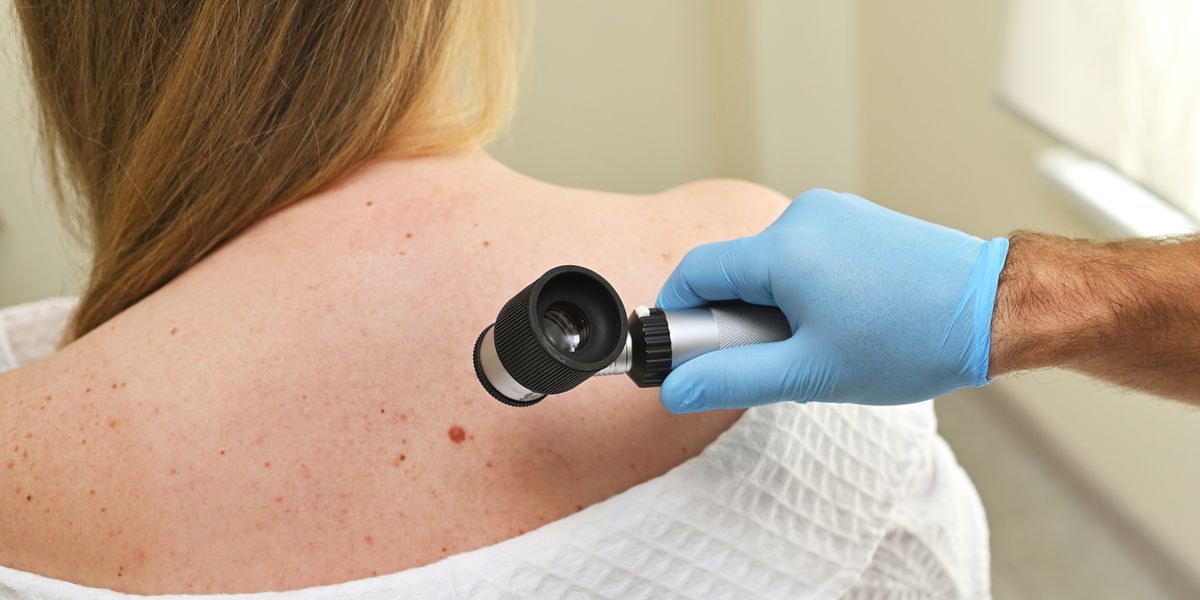
DermScreen was founded by dermatologist Dr Philip Tong, who leads the organisation as CEO. Its clinics combine skin examinations with digital imaging technology to assess and monitor lesions over time, with dermatologist review of the images captured.
Both programs align with the objectives of the NSW Skin Cancer Prevention Strategy 2023–2030, which covers prevention, better access to shade, improved sun-protection behaviour and earlier detection.
What Can Be Done to Reduce Skin Cancer?
The single most important step is reducing unnecessary UV exposure.
Sun protection is needed whenever the UV Index reaches 3 or above which, in northern NSW, is most of the year and not only during summer. That means clothing that covers the skin, a broad-brimmed hat, shade, sunglasses and broad-spectrum SPF 50+ sunscreen applied generously and reapplied every two hours.
UV damage is cumulative. Time spent in the sun during childhood and the teenage years contributes to skin cancer risk decades later, which is why prevention matters at every age rather than only once problems appear.
It is also worth knowing your own skin well enough to notice when it changes. A new or changing mole, a sore that does not heal, or a spot that alters in colour, size or shape should be assessed by a doctor. People who have had a previous skin cancer, or who have other risk factors such as many moles or a family history, may need more frequent professional checks.
One caution on sunscreen: it reduces the amount of UV reaching the skin, but it does not eliminate the risk. Sunscreen is not a licence to spend longer in strong sunlight.
What If There Has Already Been a Lot of Sun Exposure?
Plenty of people reach middle age with a history of sunburn behind them and assume the damage is done. It is not that simple, and it is not too late to act.
Past damage cannot be erased, but ongoing damage can be reduced starting today — through consistent sunscreen use, a broad-brimmed hat, and by avoiding sun exposure during the middle of the day. What changes most for this group is the value of monitoring. Anyone with significant past exposure, and particularly anyone who has already had a skin cancer, benefits from watching their skin closely and having regular professional checks.
Does Diet Help?
No food or diet prevents or cures skin cancer. A healthy, balanced diet may help reduce inflammation and support general immune function, which is worthwhile for overall health, plenty of vegetables, fruit, wholegrains and fish, with minimal fried food, junk food and added sugar.
Diet is a useful supporting habit. It is never a substitute for UV protection or medical assessment.
Is There a Medicare Rebate for a Skin Check?
Medicare provides a rebate for the GP or specialist consultation during which a skin check takes place, and many practices bulk bill these appointments. Rebates may also apply to biopsies and to certain surgical procedures where a lesion needs to be removed.
Medicare does not fund routine full-body screening as a standalone service for people with no symptoms, and dedicated skin-imaging services are generally not covered. Private health insurance may contribute to some treatment costs depending on the policy and the service provided. It is worth checking what applies before booking.
How the Government Grants Help
Grants alone will not solve Australia's skin cancer problem. What they do is make early detection more achievable — better equipment in local practices, better-trained staff, and specialist expertise reachable without a long trip to a capital city. For people on the North Coast, that can mean a problem is identified sooner and treated closer to home.
Prevention still does the heaviest lifting. Sunscreen, shade, covering up and paying attention to changes in your own skin remain the most effective tools available.
Book a Skin Check
If it has been a while since your last skin check or if you have noticed a spot that has changed, a professional assessment is worth booking. DermScreen offers digital skin checks at its Sydney clinics, with dermatologist review of the images captured during your appointment.