
How Sun Damages Our Skin
While it is inevitable that we spend at least some time outdoors, we need to be cautious about exposure to the sun. Sunlight does have some benefits, providing vitamin D and resetting our sleep cycle. But repeated exposure to the sun can cause lasting damage to the skin. Some of this damage, such as pigmentation and premature ageing, is cosmetic; other damage, including precancerous skin changes and actual skin cancer, is very serious. Understanding how the sun affects the skin can help you take practical steps to reduce the risk of long-term damage.

DermScreen
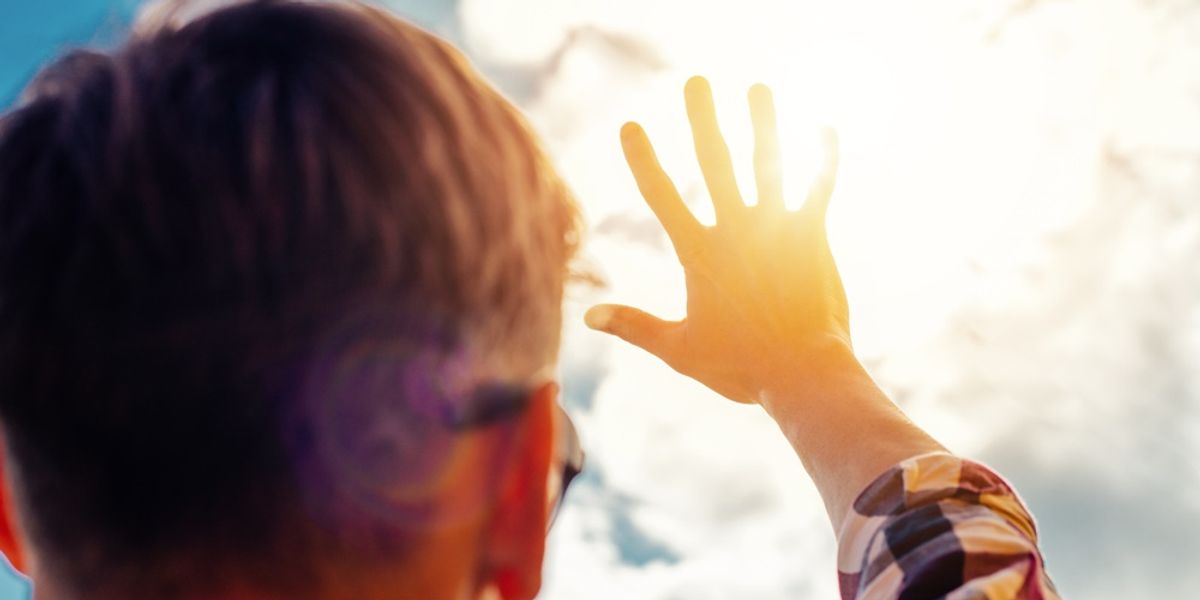
How Sun Damages Our Skin
While it is inevitable that we spend at least some time outdoors, we need to be cautious about exposure to the sun. Sunlight does have some benefits, providing vitamin D and resetting our sleep cycle. But repeated exposure to the sun can cause lasting damage to the skin. Some of this damage, such as pigmentation and premature ageing, is cosmetic; other damage, including precancerous skin changes and actual skin cancer, is very serious. Understanding how the sun affects the skin can help you take practical steps to reduce the risk of long-term damage.
Dermscreen Skin Check Sydney CBD
DermScreen was founded by a team of dermatologists concerned about the high prevalence of skin cancer in Australia. The clinics use skin examinations together with digital imaging technology to assist with the assessment and monitoring of skin lesions. Where appropriate, patients can also be referred for specialist dermatological review. DermScreen has clinics in Epping, Bondi Junction, Randwick and Sydney CBD.
How UV Radiation Damages the Skin
The sun emits two main types of ultraviolet radiation that affect the skin:
- UVA rays penetrate deep into the skin and are largely responsible for premature ageing, collagen breakdown and the development of wrinkles.
- UVB rays primarily affect the outer layers of the skin and are the main cause of sunburn. They also contribute to DNA damage within skin cells.
We might remember this as UVA mainly Ages, while UVB primarily burns. Both are unhealthy and should be avoided. Over time, repeated UV exposure damages the DNA inside skin cells. The human body is able to repair this damage to a certain extent. But if the damage is too great — for example, from repeated high sun exposure — the repair mechanism can become overwhelmed. This can lead to abnormal cell growth, increasing the risk of skin cancer. UV radiation also produces unstable molecules known as free radicals. These molecules create oxidative stress, which damages healthy skin cells, accelerates ageing and contributes to collagen and elastin breakdown.
Cosmetic Effects of Sun Damage
Many of the visible signs commonly associated with ageing are actually caused by long-term sun exposure rather than ageing alone.
Common cosmetic changes include:
- Fine lines and wrinkles
- Loss of skin firmness and elasticity
- Sagging skin
- Uneven skin tone
- Sunspots (solar lentigines)
- Hyperpigmentation
- Broken capillaries
- Rough or leathery skin texture
Research suggests that a significant proportion of visible skin ageing is related to cumulative sun exposure, making daily sun protection one of the most effective ways to maintain healthy-looking skin.
Medical Conditions Caused by Sun Damage
Sun damage exists on a spectrum. While some changes are cosmetic, others can become serious medical conditions.
Actinic keratoses are rough, scaly patches that develop after years of sun exposure. Although they are not skin cancer, they are considered precancerous because some may develop into squamous cell carcinoma if left untreated.
Actinic cheilitis affects the lips, causing persistent dryness, scaling or cracking. Like actinic keratoses, it should be assessed by a medical professional as it may progress to skin cancer.
Long-term UV exposure is also the leading environmental risk factor for several forms of skin cancer, including:
- Basal cell carcinoma
- Squamous cell carcinoma
- Melanoma
Basal cell carcinoma is the most common type and usually grows slowly. Squamous cell carcinoma has a greater potential to spread if not treated promptly. Melanoma is less common but is the most aggressive form of skin cancer and requires early diagnosis and treatment.
Signs That Should Be Checked
Many skin changes are harmless, but some should be assessed by a doctor.
Arrange a skin examination if you notice:
- A mole or spot changing in size, shape or colour.
- A mole with an asymmetrical shape or uneven, irregular borders.
- Multiple colours present within the same lesion.
- A sore that does not heal after a week or two.
- Persistent itching, bleeding or crusting.
- Any mole or spot that looks noticeably different from your other moles or spots.
Early assessment often allows for simpler treatment and improves long-term outcomes.
Preventing Sun Damage
We can significantly reduce skin damage and lower the risk of skin cancer through consistent sun protection.
Helpful habits include:
- Applying a broad-spectrum sunscreen with SPF 50+ every day.
- Reapplying sunscreen every two hours when outdoors, or more frequently after swimming or sweating.
- Wearing protective clothing, a wide-brimmed hat and UV-protective (polarised) sunglasses.
- Seeking shade whenever possible, particularly during the middle of the day when UV levels are highest.
- Checking the daily UV index and taking extra precautions when UV levels are elevated.
These measures help reduce cumulative UV exposure throughout life.
Can Cosmetic Sun Damage Be Repaired?
Cosmetically damaged skin can sometimes be improved through various dermatological treatments, though it can never be restored to its original condition. Depending on the individual's skin and the type of damage, a doctor or dermatologist may recommend treatments such as prescription retinoids, chemical peels, laser therapy, cryotherapy for precancerous lesions, photodynamic therapy, or surgical removal of suspicious or cancerous lesions. Topical antioxidants such as vitamin C may also help improve the appearance of sun-damaged skin when used as part of a broader skincare routine.
Can Serious Sun Damage Be Repaired?
Medical conditions caused by sun exposure can be treated by a dermatologist; the best results depend on detecting the condition as early as possible. In some cases a potentially cancerous condition will be removed before it has a chance to develop into cancer. The most appropriate treatment depends on the type and severity of the skin changes and should be determined following a professional assessment.
Regular Skin Checks Matter
Sun damage often develops gradually, with early changes causing little or no discomfort. Regular skin checks can help identify concerning lesions before they become more serious. If you notice any persistent or changing spots, or have a personal or family history of skin cancer, speak with your GP or dermatologist about whether a professional skin examination is appropriate. Combined with sensible sun protection, regular skin checks are an important part of maintaining healthy skin throughout life.