Skin Cancer on the Face: Why Is It So Common?
Skin cancer is particularly common on the face because facial skin receives a great deal of sun exposure.

DermScreen
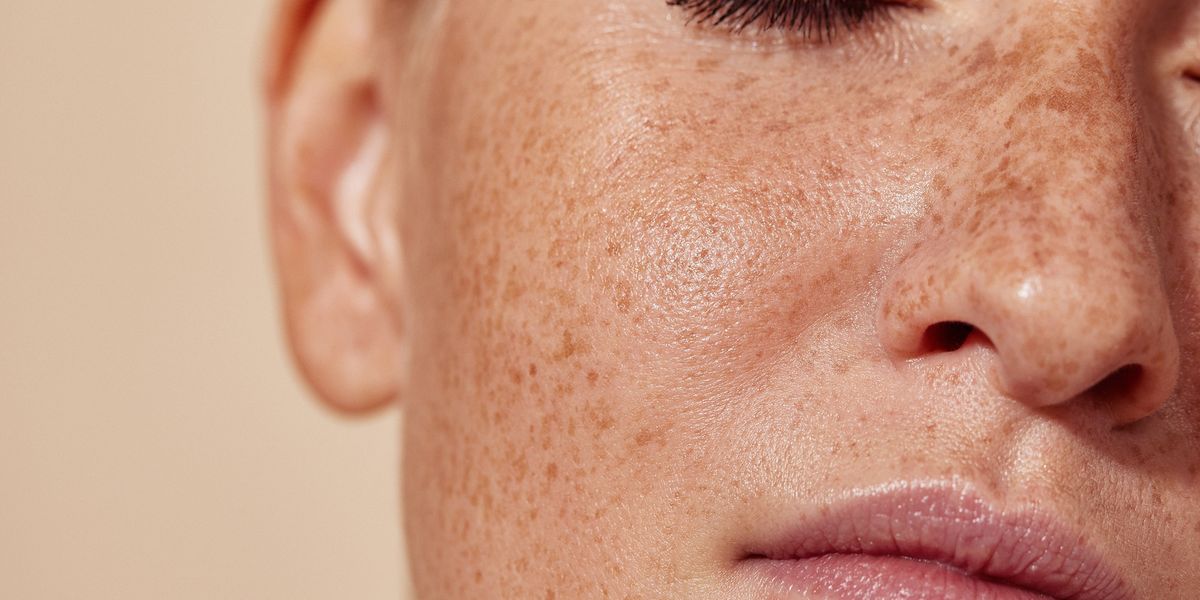
Skin cancer is particularly common on the face because facial skin receives a great deal of sun exposure. That exposure accumulates over many years and damages skin cells. Areas such as the nose, ears, forehead and lower lip tend to receive especially high levels of UV, because they are prominent and often directly exposed to sunlight. Australia has some of the highest UV levels in the world, so sun protection is particularly important here.
DermScreen Skin Check Sydney CBD
DermScreen was founded by dermatologists concerned about the high prevalence of skin cancer in Australia. The clinics combine skin examinations with digital imaging technology to assist with the assessment and monitoring of skin lesions. Where appropriate, patients can also be referred for specialist dermatological review. DermScreen has clinics in Randwick, Bondi Junction, Epping and the Sydney CBD.
What Are the Main Types of Skin Cancer?
There are several types of skin cancer, but the three most important are basal cell carcinoma (BCC), squamous cell carcinoma (SCC) and melanoma.
Basal cell carcinoma is the most common type of skin cancer. It usually grows slowly and rarely spreads to other parts of the body, but it can damage surrounding tissue if left untreated. On the face, it may appear as a shiny or pearly lump, a pink growth, or a sore that repeatedly bleeds and heals.
Squamous cell carcinoma can develop more quickly than BCC. It may appear as a rough, red or scaly patch, a thickened growth, or a sore that does not heal. SCC can become invasive and spread to other parts of the body if it is not treated. Lesions on areas such as the lips and ears may carry a higher risk of spreading.
Melanoma develops from melanocytes, the cells responsible for producing pigment. It is less common than BCC and SCC, but it is more serious because it can spread to other parts of the body, particularly when it is not detected early.
Early Signs of Skin Cancer on the Face
Skin cancers can easily go unrecognised at first. The various types all look different, and a serious cancer may initially look harmless. Warning signs include a new mole, a mole that changes shape, a spot that changes in size, shape, colour or texture, or a lesion that looks noticeably different from the spots around it. A sore that does not heal within a few weeks — particularly one that bleeds or itches — should also be assessed.
For pigmented lesions, the ABCDE guide can be useful:
- A — Asymmetry: one half does not match the other.
- B — Border irregularity: edges are ragged, notched or blurred.
- C — Colour variation: uneven colour, or more than one shade.
- D — Diameter: larger than about 6 mm, or growing.
- E — Evolving: any change in size, shape, colour or symptoms over time.
Other warning signs include persistent red or scaly patches, shiny or pearly lumps, dark spots that change, and unexplained crusts or growths.
How Can Facial Skin Cancer Be Prevented?
More than 95% of skin cancers in Australia are caused by overexposure to UV radiation from the sun, so reducing sun exposure reduces the risk.
When the UV Index is 3 or above, the recommended protection is to:
- slip on clothing that covers the skin
- slop on broad-spectrum, water-resistant SPF50 or SPF50+ sunscreen, reapplied every two hours
- slap on a broad-brimmed hat
- seek shade
- slide on sunglasses that meet the Australian standard.
How Can We Stop Skin Cancer from Becoming a Bigger Problem?
It is important to check your skin for anything unusual. Knowing what is normal for your skin makes it easier to notice new or changing lesions. Any persistent, changing, bleeding or unusual spot on the face should be assessed by a medical professional. Early detection can make skin cancer easier to treat: treatment is generally less invasive, and less tissue usually needs to be removed.
Conclusion
Skin cancer is particularly common on the face because the face almost always receives more sun exposure than the rest of the body. By knowing the warning signs, checking your skin regularly and using effective sun protection, you can significantly reduce your risk of skin cancer — or at least detect a problem early. If a spot or lesion is new, changing, bleeding or failing to heal, have it assessed by a medical professional. Early detection can make treatment more effective and less invasive, and can help minimise damage to the skin.